
Richard Carvalho
Software Engineer building intelligent systems for finance, education and automation.
Back-end • AI • Scalable Systems • Real Projects
Real Experience
Worked with systems for finance • education • automation • web platforms
I design softwares that solves operational problems and scales reliably. My focus is building products with scalable architecture, practical AI usage, and clear business impact.
- Banking systems and corporate APIs
- Microservices and legacy modernization
- Production-ready integrations and automation workflows
- Backend-first mindset with scalable architecture
Interactive Terminal
Featured Projects




Experience Timeline
2022 - 2027

Bacharelor´s degree in Computer Science
Municipal University of São Caetano do Sul
2022 - 2024
Technician in Mechatronics
Senai São Paulo
2020 - 2022
Technician in Systems Development
São Paulo State Technical School
2025 - Current

Backend Developer
GFT Technologies - Development and maintenance of Banking systems
Started programming
Computer Science journey
Developing systems and banking projects
AI + scalable architecture focus
Coding Skills

HTML5
0%

CSS3
0%

Javascript
0%

Typescript
0%

Arduino
0%

Express.js
0%

Angular
0%

Django
0%

Git
0%

GitHub
0%

Java
0%

MongoDB
0%

MySQL
0%

Next.js
0%

Pandas
0%

Python
0%

React.js
0%

Ubuntu
0%
Live Metrics
My Thoughts
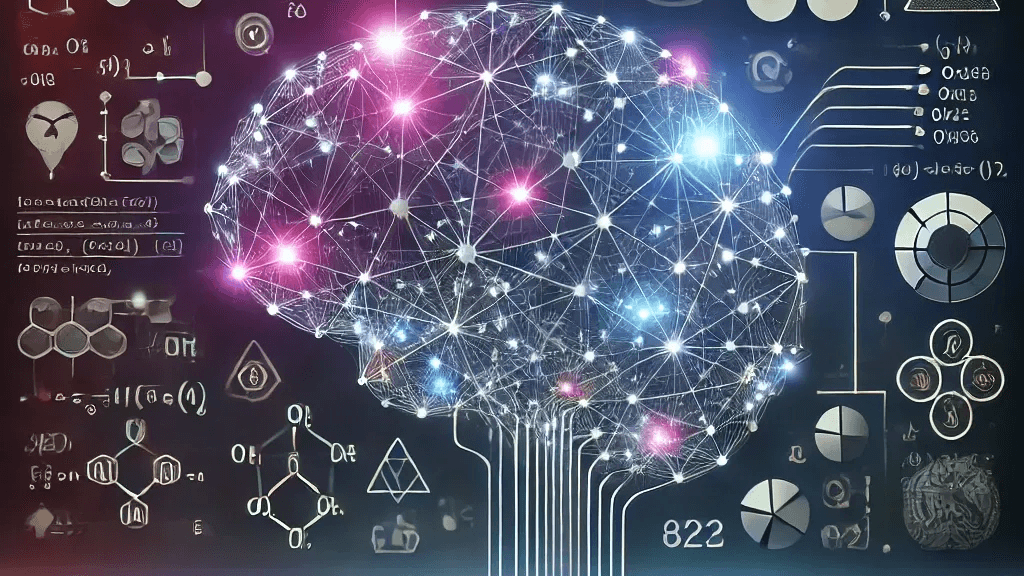
What Are Algorithms and Why Are They Important?
📌 Algorithms: what are they and why does everyone talk about them? You know when you search for something on Google and suddenly ads about exactly that start showing up? Or when your social media feed seems to “guess” what you like? That’s all thanks to algorithms! 🤯 They are like a set of rules that help computers make decisions, organize information, and even predict what you might want to see or buy. They are in apps, websites, social networks, banks, streaming platforms… practically everywhere! Even if you don’t work with technology, algorithms impact your daily life all the time. So it’s definitely worth understanding a bit more about them! 😉

The Emergence of Quantum Computing
Quantum computing is a technological revolution that uses principles of quantum mechanics. Unlike classical bits, which can only represent 0 or 1, qubits can exist in multiple states simultaneously, allowing the processing of vast amounts of information at the same time. In this article, I discuss some of the motivation behind the emergence of this technology, which, although still under development, has the potential to transform areas such as cryptography, artificial intelligence, and system optimization.

The Importance of Design Patterns in Software Development
This article explores the concept of Design Patterns and their importance in object-oriented software development. It discusses the three main types of patterns defined in the book Design Patterns: Elements of Reusable Object-Oriented Software (1994) by the Gang of Four: creational, structural, and behavioral. Throughout the text, examples of these patterns are presented, highlighting their relevance to flexibility, code reuse, and system maintainability.