
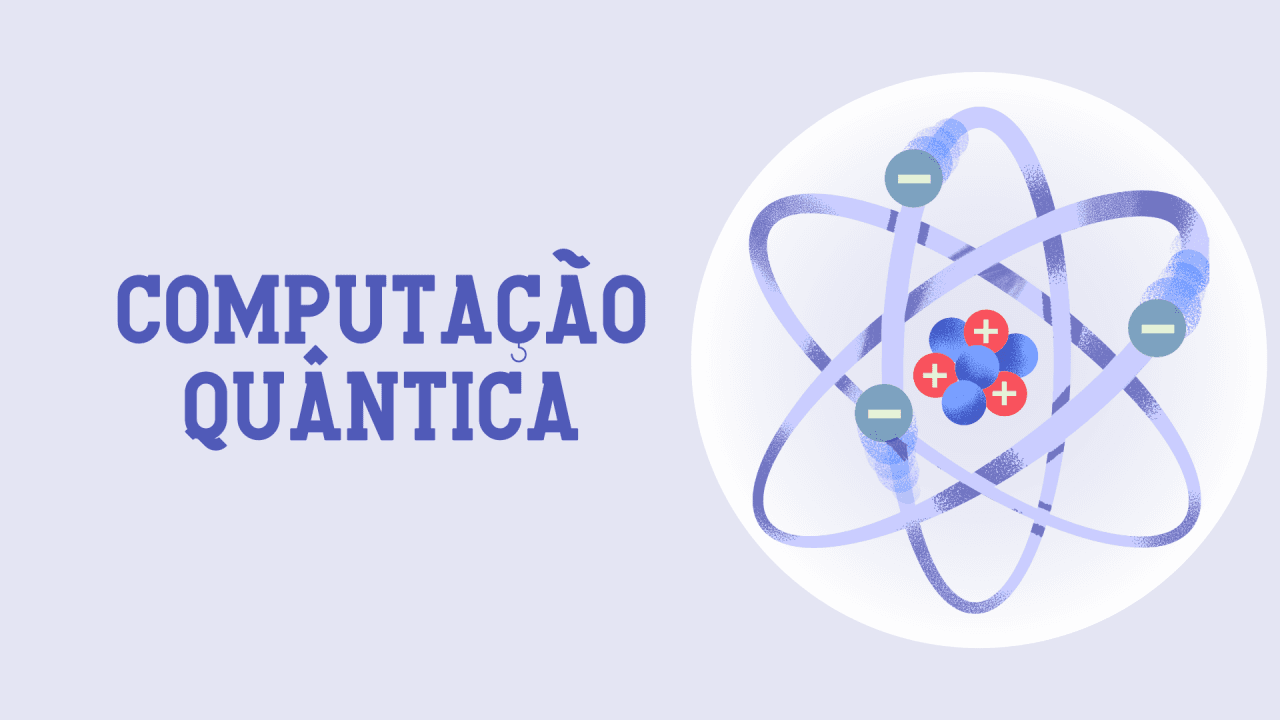
The Emergence of Quantum Computing
October 10, 2024
Introduction
Much has been discussed recently about quantum computing. Due to the unique nature of quantum mechanics, such computers have the ability to surpass even the most powerful classical computers, both technically and in terms of speed.
First, to understand the need for the development of a quantum computer, it is necessary to first understand the origins of modern computing and the limitations it currently faces.
Development of classical computing and its limitations
Modern computing has its roots in machines developed throughout the 20th century, with the advent of the von Neumann architecture, which is the basic operating model of most modern computers. These classical computers are based on binary logic, where data is processed through bits that can assume two states: 0 or 1. This architecture enabled extraordinary advances, making it possible to create complex systems, process large volumes of data, and automate processes across various fields of knowledge.
George Moore, an American chemist and co-founder of Intel, stated in his article "Cramming More Components onto Integrated Circuits" that a computer’s processing power doubles every two years.
However, as the demand for greater processing power grew, it became clear that this classical approach would encounter physical and operational limits. The miniaturization of transistors, which fueled Moore’s Law for decades, is reaching its practical limit. Increasingly smaller electronic components begin to face issues such as overheating and unwanted quantum effects, which compromise system efficiency and scalability.
The Need for Quantum Computing
In light of these limitations, quantum computing emerges as a revolutionary alternative, capable of addressing problems that are beyond the capabilities of classical computers. Unlike classical bits, quantum computers use qubits, which can exist in a superposition of states, allowing multiple calculations to be performed simultaneously.
Quantum entanglement is a key concept, where entangled qubits share information instantaneously, even when separated by large distances. This enables efficient communication between them, increasing processing capacity.
Finally, quantum interference allows quantum computers to steer their calculations toward the most probable solutions while suppressing undesirable outcomes. Together, these three phenomena make quantum computing extremely powerful for solving complex problems faster than classical computers.